First-Time Retreat Planning Checklist: Everything You Need to Know
A complete first-time retreat planning checklist covering budgeting, venues, marketing, logistics, and guest experience—everything you need to host with confidence.
 Sayani Bhattacharjee2 min read
Planning a retreat for the first time can feel overwhelming, but with the right approach, it becomes an exciting journey. Whether you’re organizing a wellness retreat, yoga getaway, or creative workshop, this checklist will guide you from start to finish.
Step 1: Define Your Retreat’s Purpose
Before anything else, ask yourself: Why are you hosting this retreat?
Is it to help people relax? Learn a new skill? Connect with like-minded individuals? Your goal will shape every decision, from location to activities.
Step 2: Choose the Right Location
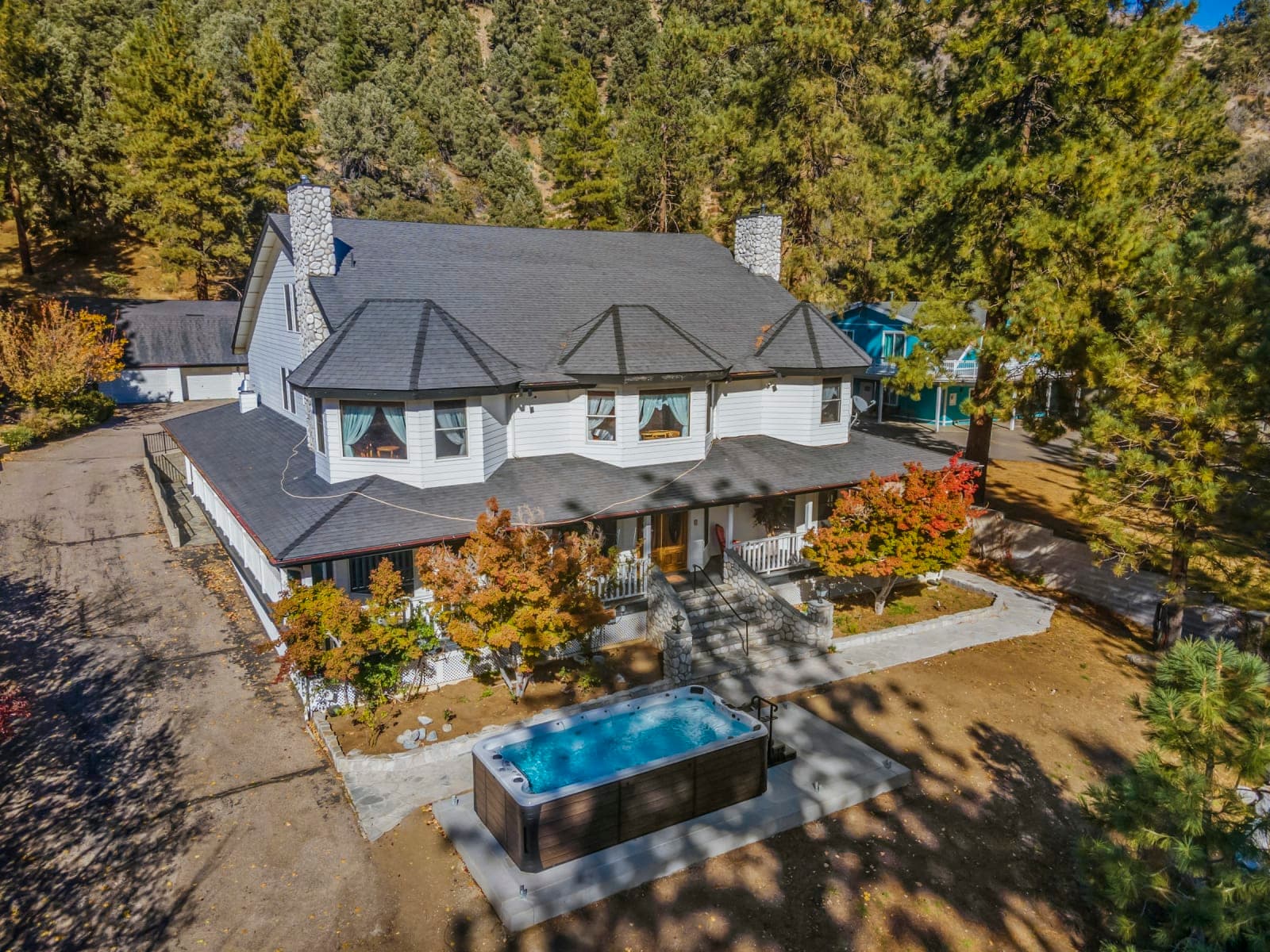
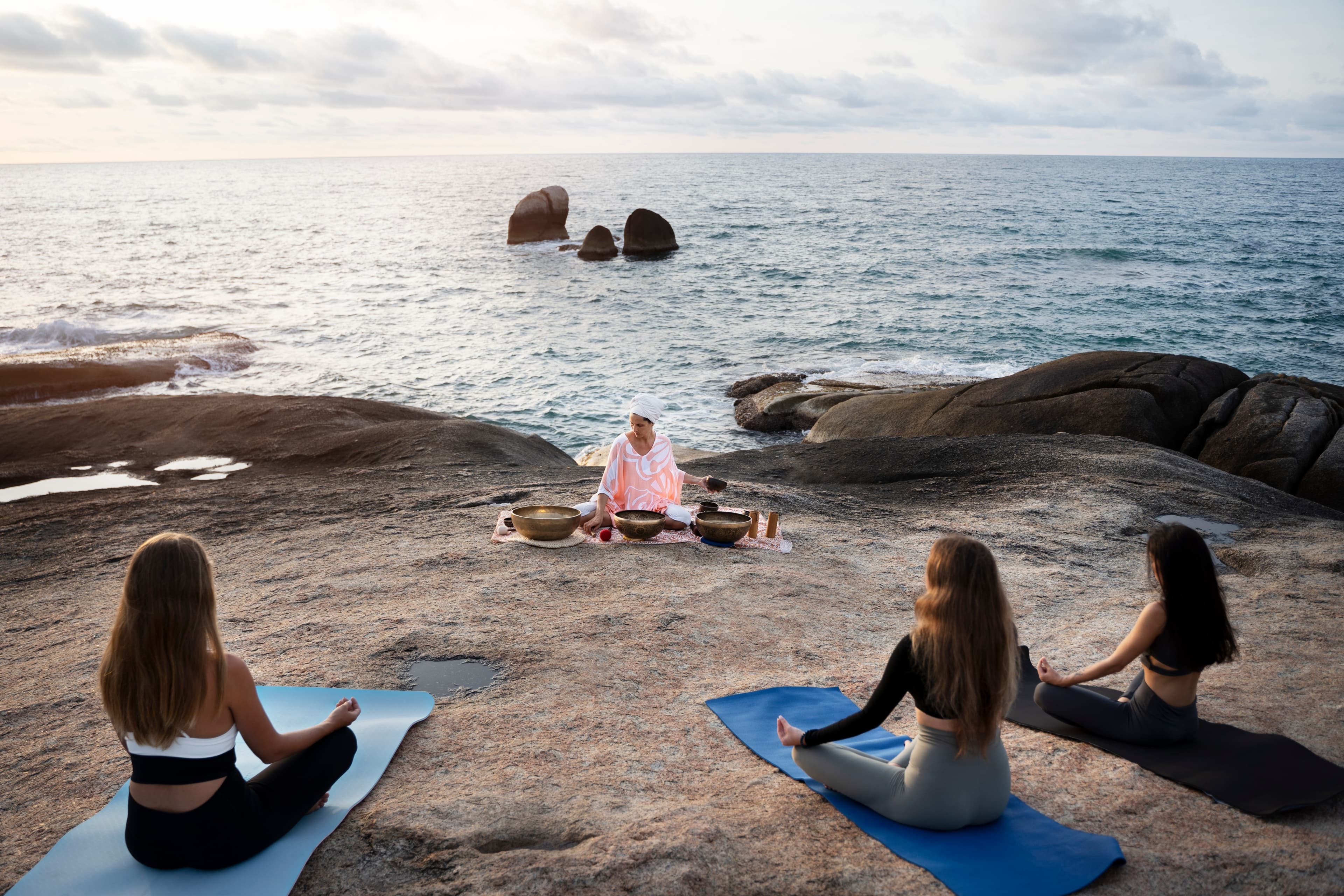
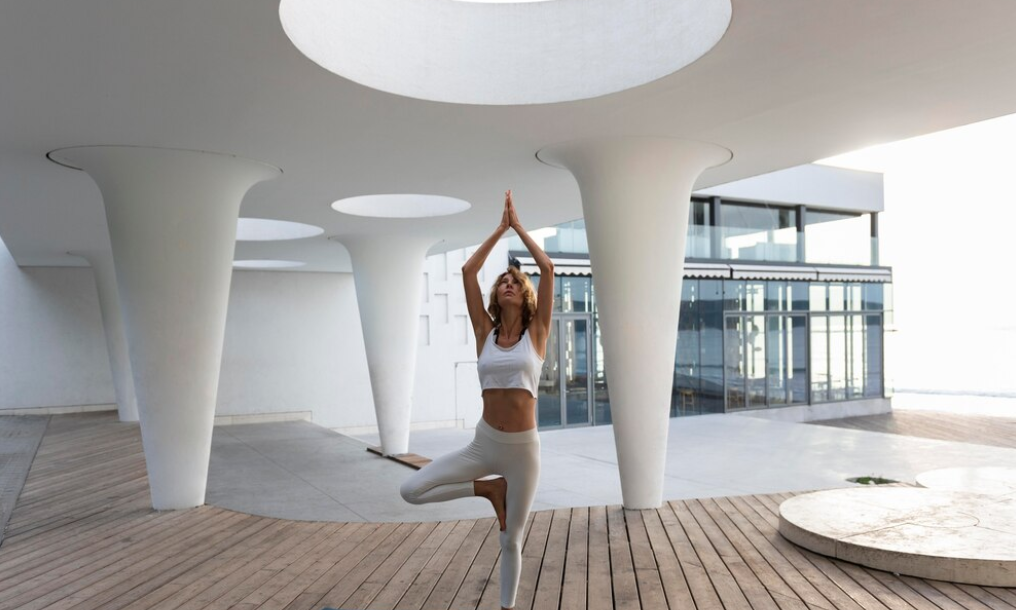
Your retreat space should match the experience you want to offer. A beachfront villa might be perfect for relaxation, while a cozy mountain lodge could be ideal for self-reflection. Consider factors like:
- Accessibility (Is it easy to reach?)
- Accommodation quality
- Surrounding nature and ambiance
Step 3: Set the Date & Duration
A retreat can last anywhere from a weekend to a full week. Think about your audience—how much time can they commit? Also, check for seasonal factors that might impact the experience (weather, peak tourist times, etc.).
Step 4: Budgeting & Pricing
List every possible expense:
✅ Venue rental
✅ Food & catering
✅ Instructor/speaker fees
✅ Travel & transportation
✅ Marketing & website setup
Tip: Set a price that covers all costs and leaves room for profit while staying affordable for your audience.

Step 5: Plan Your Retreat Schedule
A well-structured retreat balances learning, relaxation, and connection. Create a daily itinerary that includes:
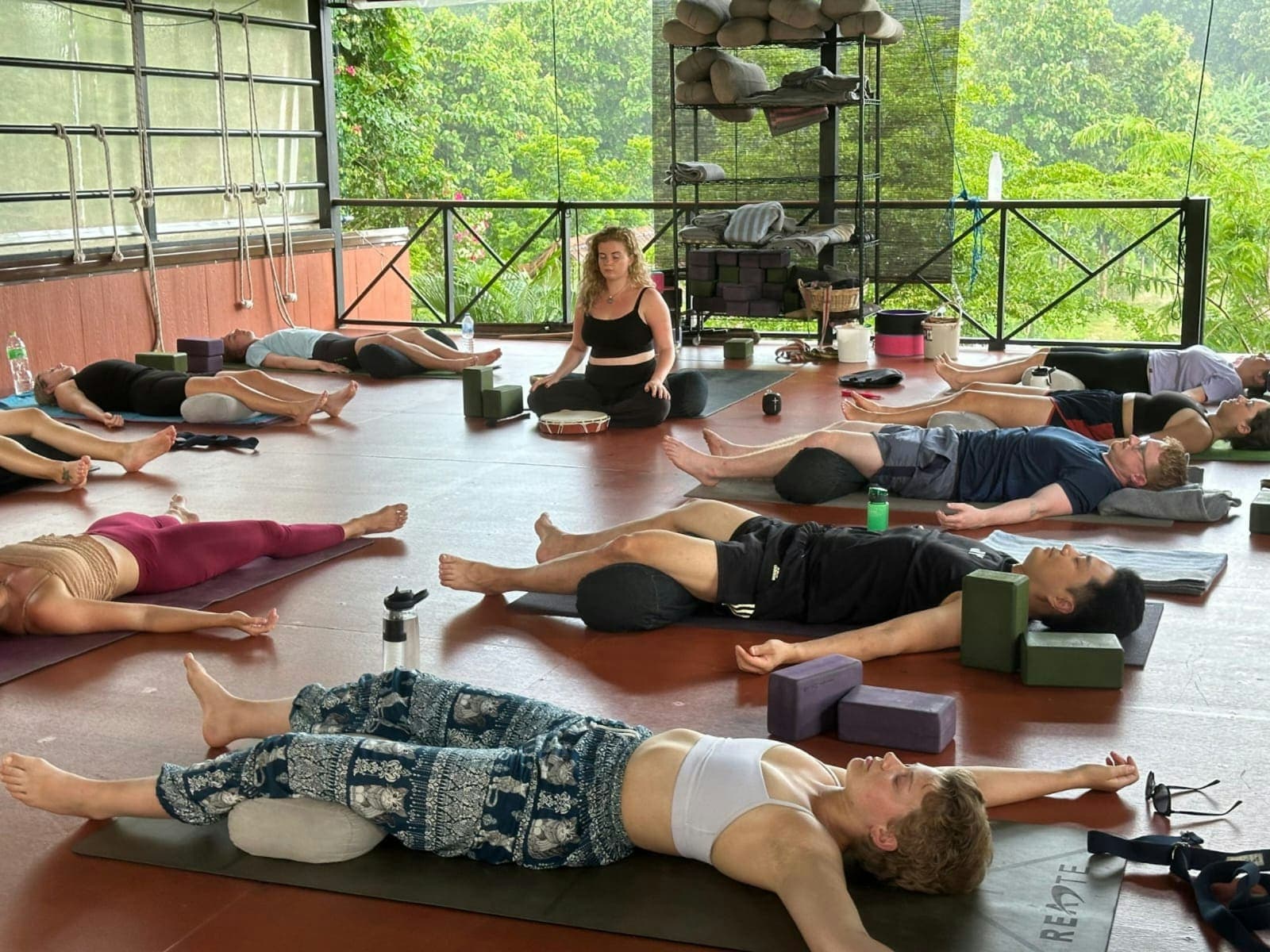
⏰ Morning sessions (meditation, yoga, journaling)
⏰ Group workshops
⏰ Free time to explore or unwind
⏰ Evening gatherings (fire circles, Q&A, guided reflections)
Step 6: Arrange Accommodations & Meals
Ensure attendees have a comfortable stay. Ask these questions:
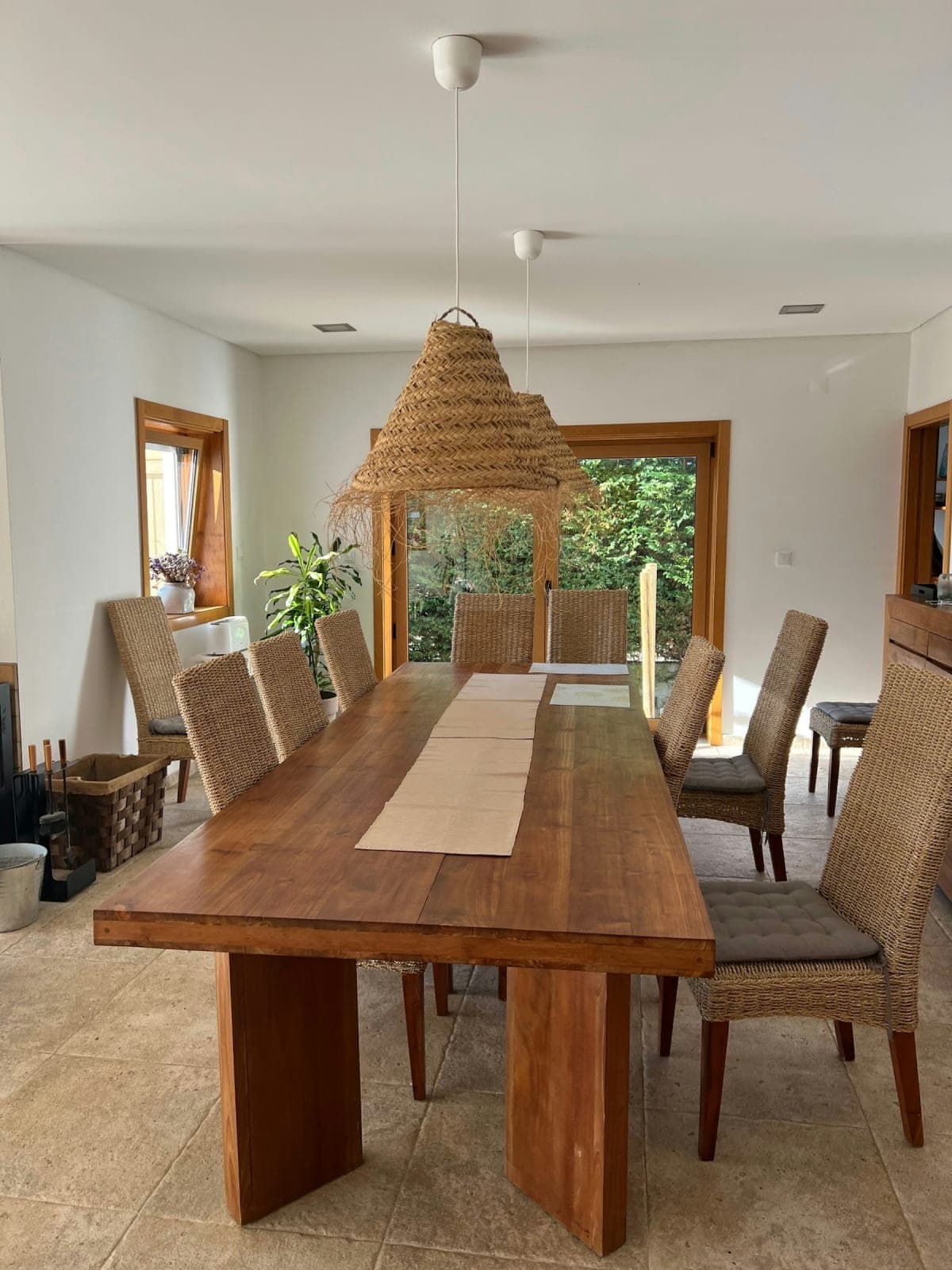
- Are there enough rooms for everyone?
- Does the food cater to dietary restrictions?
- Are there nearby restaurants or catering services?
Step 7: Find the Right Instructors & Facilitators
Your retreat will be successful if the right experts lead sessions. Look for:
⭐ Yoga teachers
⭐ Wellness coaches
⭐ Meditation guides
⭐ Creative mentors (for art, writing, music retreats)
Step 8: Promote Your Retreat
Marketing is key to attracting attendees. Use:
📢 Social media (Pinterest, Instagram, Facebook)
📢 Email newsletters
📢 Your website or booking platform
📢 Word-of-mouth referrals
Tip: Offer early-bird discounts to encourage sign-ups!
Step 9: Set Up an Easy Booking System
Make registration simple with an online booking form. Include:
✅ Payment options
✅ Terms & conditions
✅ Cancellation policy
Step 10: Prepare for Emergencies
Have a backup plan in case of:
⚠ Weather disruptions
⚠ Cancellations
⚠ Medical emergencies (always keep a first-aid kit handy!)
Final Thoughts
Planning a retreat takes effort, but the reward is incredible—a transformative experience for both you and your attendees. Start with a clear vision, stay organized, and most importantly, enjoy the process!
Written by
Sayani Bhattacharjee
Sayani Bhattacharjee is the blog writer at GoToRetreats, creating warm, meaningful content for retreat hosts and wellness experts. With a passion for wellness, mindful living, and storytelling, she helps retreat leaders connect authentically with their audience. Her writing focuses on simplicity, emotional depth, and creating content that truly resonates.
More from Sayani